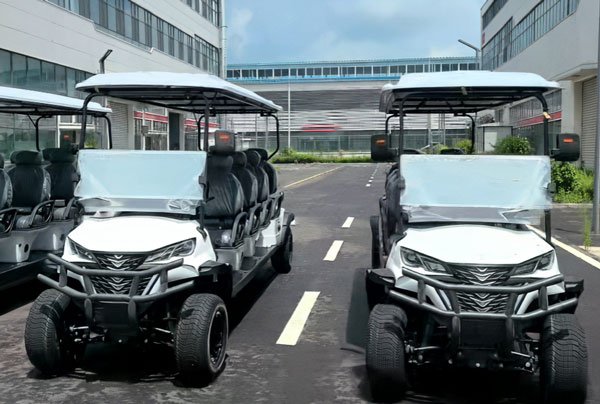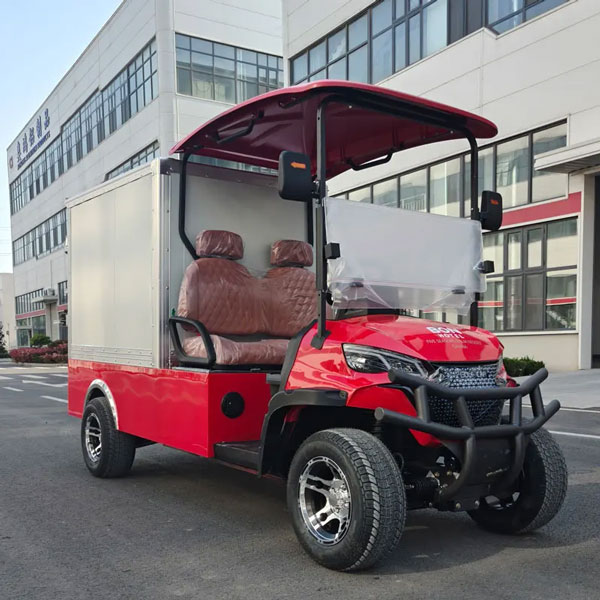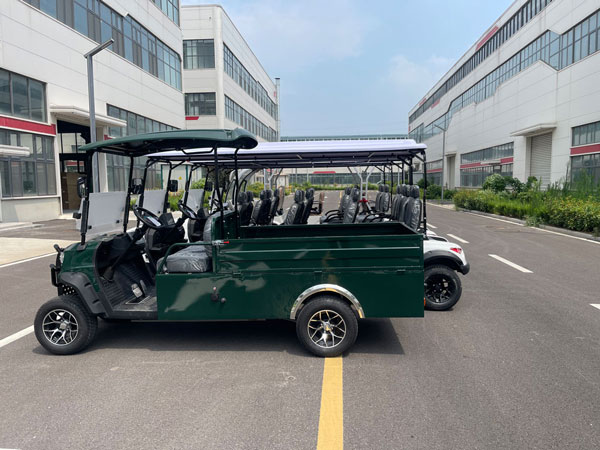
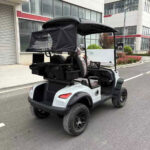
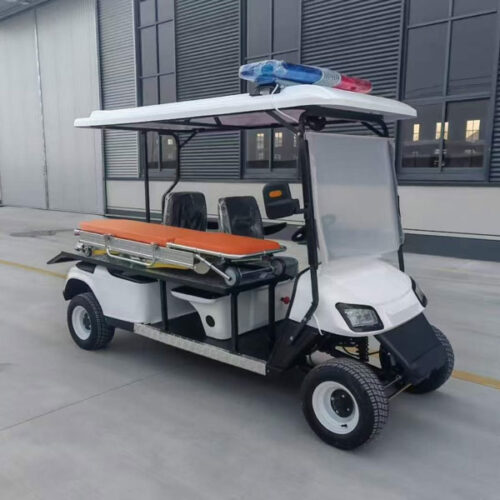
With their natural agility in tight spaces and over varied terrain, golf carts can be transformed from leisure vehicles into highly capable micro‑rescue units by equipping them with medical devices, emergency tools, and professional stretcher systems. Below we explore their performance, design, and real‑world applications.
1. Small Size, Big Capability – Performance Analysis
The growing popularity of converted golf cart rescue vehicles is rooted in their outstanding performance.
Thanks to compact dimensions – approximately 3.6 m in length and 1.2 m in width – the vehicle can easily access narrow alleys and crowded areas where conventional ambulances cannot go. The small, agile body is combined with a professional‑grade high‑strength steel frame that is shot‑blasted, galvanised, and painted for triple rust protection, providing a robust and reliable foundation for rescue missions.
The electric drive system is another highlight. A 5.0 kW high‑efficiency AC motor paired with a Curtis controller delivers precise speed control, high overload capacity, heat resistance and low noise. The battery pack consists of six 8 V deep‑cycle lead‑acid batteries, offering a range of 80–100 km (50–62 miles) on a full charge. Charging takes about 6–8 hours, sufficient for daily high‑frequency use.
Mobility is equally impressive. With a minimum ground clearance of 110 mm and a maximum climbing ability of 30%, the rescue cart can confidently handle grass, slopes and scenic paths. The maximum forward speed is 25–30 km/h, braking distance is less than 3 m, and the suspension – multi‑leaf spring packs with hydraulic damping – effectively reduces jolts and discomfort during patient transport.
For more demanding environments, diesel‑powered conversions are also available. A golf‑cart‑based rescue vehicle built on the Polaris Ranger XP all‑terrain platform can reach speeds of up to 80 km/h and traverse mud and streams, making it suitable for high‑challenge rescue operations.
2. Professional Conversion Inside and Out – Key Modifications
Turning a standard golf cart into a rescue vehicle involves comprehensive modifications that must meet emergency response needs while ensuring safety and reliability.
The conversion process follows four critical steps: safety assessment, design planning, precision fabrication, and quality acceptance. The safety assessment checks mechanical performance, chassis condition and body structure. The design phase integrates the exterior, powertrain, electrical systems and more. Precision fabrication involves adjusting frame height and weight distribution according to the design, as well as scientifically laying out the interior equipment. Finally, a strict quality acceptance procedure verifies that all standards are met.
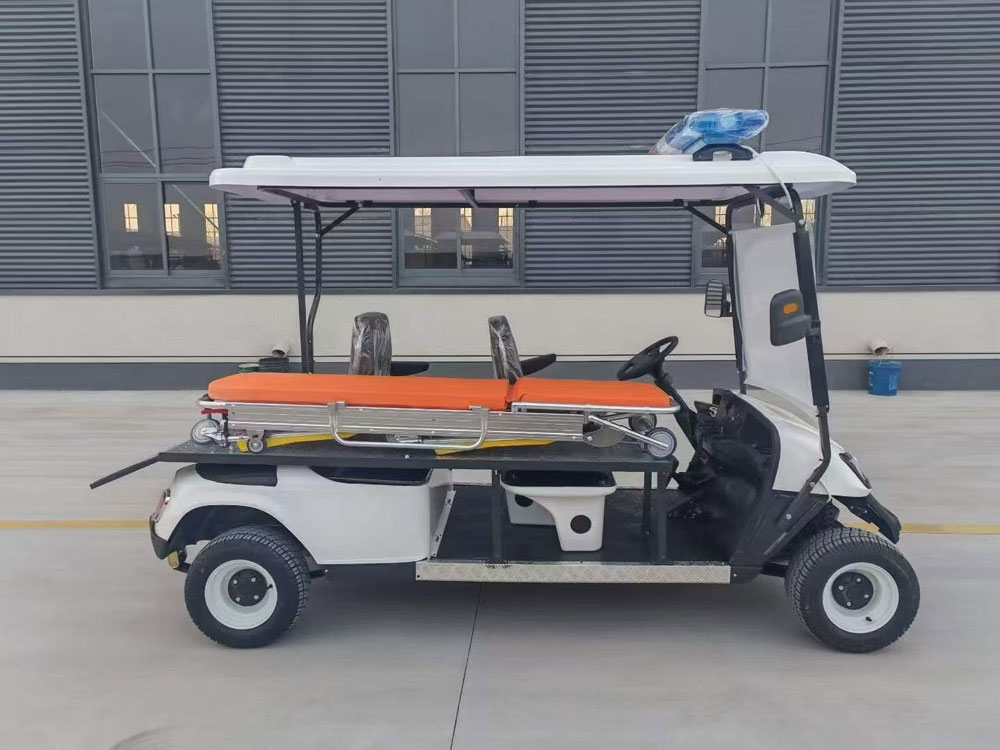
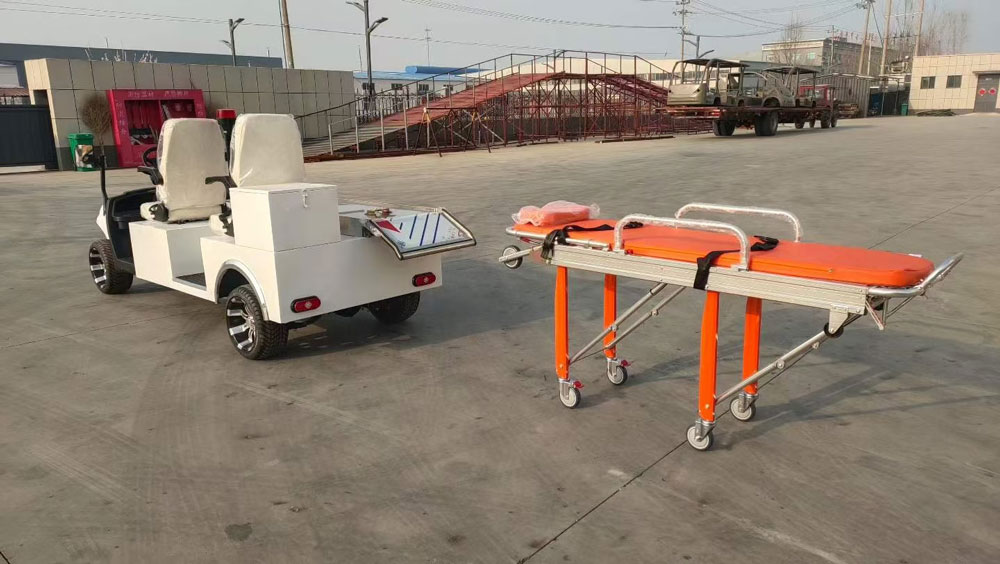
Core modifications focus on stretcher systems, medical equipment and warning devices. A standard rescue cart is equipped with a quick‑release aluminium folding stretcher that can be pushed or pulled by a single person, eliminating the need for secondary handling and minimising the risk of further injury to patients with fractures or critical conditions. The stretcher bed features a high‑density waterproof antimicrobial mattress that can be disinfected directly with alcohol or chlorine‑based disinfectants. Four heavy‑duty adjustable safety straps prevent sliding or falling during transport.
For medical equipment, the vehicle has storage compartments on both sides for basic first‑aid supplies and instruments. Advanced conversions also incorporate a linear module lifting design that can automatically transfer a patient onto the stretcher, reducing both the risk of secondary injury and the physical workload on responders. Red and blue LED warning lights and a loudspeaker system provide essential alerts when moving quickly through crowded areas.
3. A Versatile Asset for Multiple Scenarios – Practical Applications
After the modifications described above, golf cart rescue vehicles prove their value in the following scenarios.
Golf Courses & Sporting Events
Courses cover large areas with rolling terrain, making it difficult for conventional vehicles to reach the fairways. When a player suffers a sudden illness or injury, the rescue cart can depart immediately from the clubhouse, arrive at the scene, provide basic first aid, and transfer the patient smoothly back to the clubhouse or to a waiting ambulance. During marathons, football matches, concerts and other large events, the rescue cart can weave through crowds and temporary structures, providing continuous medical support for tens of thousands of spectators.Tourist Attractions, Resorts & Communities
In scenic areas, parks, amusement parks, ski resorts and similar locations, narrow spaces or complex terrain make standard vehicles impractical. The small size, light weight and excellent manoeuvrability of the golf cart rescue vehicle are fully utilised here, especially where rapid medical response is required. Small campuses may also convert the vehicle into a micro‑emergency unit equipped with fire extinguishers, basic extrication tools and a first‑aid kit, allowing a quick initial response to a small fire or minor accident before full‑size fire trucks arrive.Community Healthcare & Public Services
Within communities, hospital campuses and older residential districts, these rescue carts are equally valuable. Short‑distance transfers of sick or injured persons – from a ward to radiology or to an operating theatre – often require a smooth, spacious vehicle that can accommodate monitoring equipment. A converted golf cart fills this gap perfectly. It can also provide medical support at large exhibitions and trade fairs, transport passengers who become unwell inside airports, railway stations or subway systems, and respond to student injuries on school campuses.
🔥 Rapid Initial Response for Fire & Emergency
A converted golf cart can serve as a “first‑responder” firefighting unit. Its electric drive produces zero emissions and silent operation, which is especially beneficial in ecologically sensitive areas or for night‑time work. When equipped with a fine‑water‑mist fire‑suppression system, it can effectively tackle incipient fires – such as burning grass or green belts – where a large fire engine cannot reach or manoeuvre. While it cannot replace heavy firefighting apparatus, its ability to act as the first‑on‑scene resource during the golden minutes of an incident can buy invaluable time.
4. Proven Cases & Future Outlook
The conversion of golf carts for rescue purposes is not a theoretical exercise – several successful real‑world cases have demonstrated its feasibility and value.
During the 2008 Beijing Olympics, Liuzhou Wuling produced golf‑cart‑based medical vehicles that served as dedicated venue vehicles at the Shenyang Olympic Sports Centre football matches. Converted from the V3 golf cart, each vehicle featured a folding stretcher with retractable handles and side rails, as well as storage compartments for medicines and equipment on both sides. Their comfort, environmental friendliness, light weight, manoeuvrability and ease of patient care perfectly aligned with the “Green Olympics” concept.
In the United States, the New York State Park Police equipped a modified golf cart rescue vehicle for the Ryder Cup golf tournament. Fitted with emergency lights, a siren and a video screen, it could respond quickly to security, crime or medical incidents across all terrains. Inside the park, the cart travelled much faster than a standard car, reducing an otherwise 20‑minute journey to just 6 minutes – a dramatic improvement in emergency response time.
At the community level, Lapeer, Michigan, raised over US$15,000 through local business partnerships to custom‑build a dedicated golf cart rescue vehicle. The cart can carry a rigid stretcher or transport several responders to locations – such as mountain bike trails – that are difficult to reach quickly on foot. During the annual Lapeer Days event, the vehicle was used multiple times to help residents suffering from heat‑related illness, earning high praise from the fire department.
As societies age and the demand for refined urban management grows, the value of the golf cart rescue vehicle – with its low operating costs, energy efficiency and multi‑scenario adaptability – is being increasingly recognised. By adopting a modular design that breaks the “one vehicle, one use” limitation, this micro‑rescue vehicle will play an ever more important role in medical emergency response, community safety and public service.