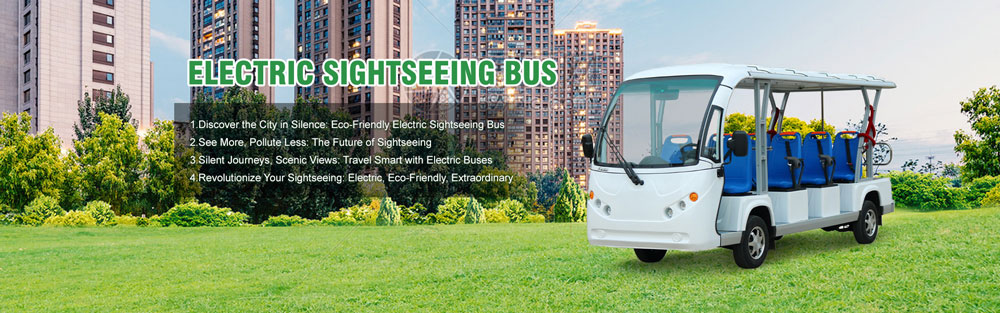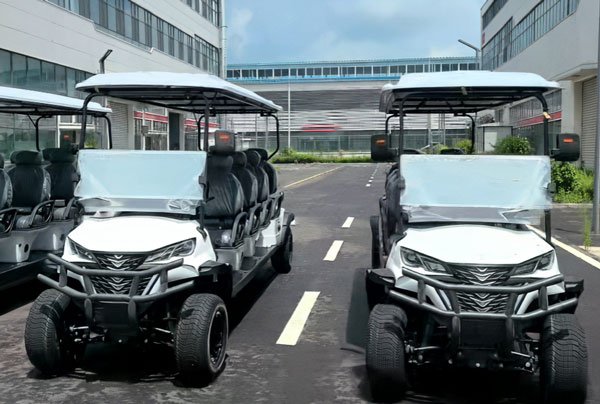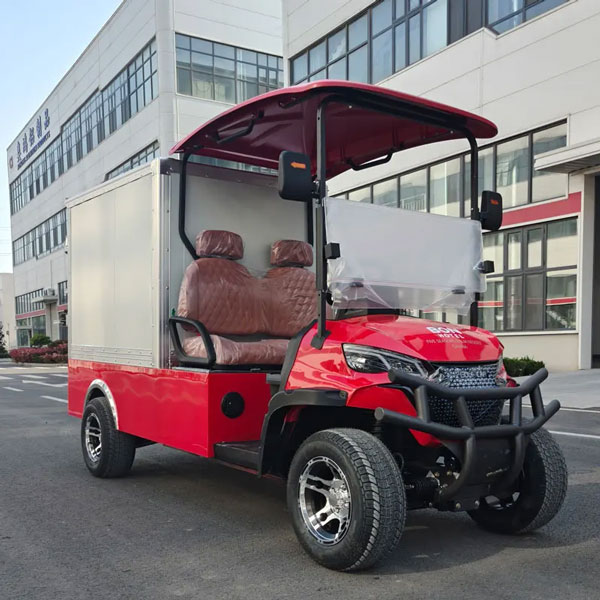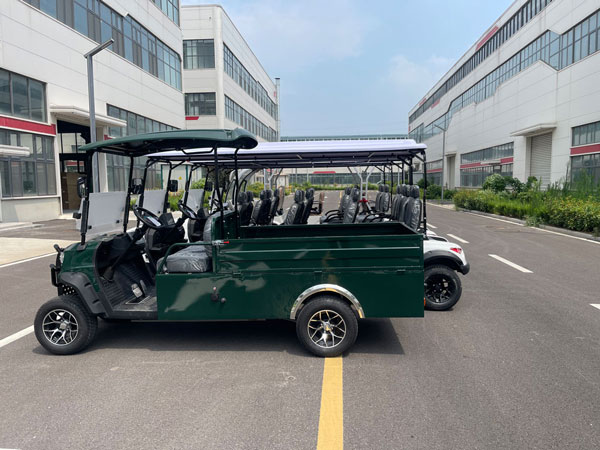


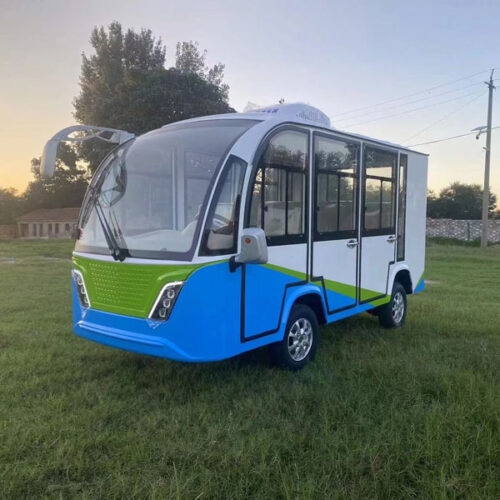
As the global travel industry rebounds and sustainability mandates tighten, a quiet revolution is unfolding on the roads of tourist destinations, university campuses, airports, and resort complexes worldwide. Low-speed electric sightseeing shuttles—compact, emission-free, and purpose-built for short-distance passenger transport—are rapidly emerging as an indispensable solution for modern mobility challenges.
A Market on the Rise
The global low-speed electric vehicle market is experiencing remarkable growth. Valued at approximately USD 18.87 billion in 2025, the sector is projected to reach USD 43.58 billion by 2034, advancing at a compound annual growth rate of 9.75 percent. This expansion is driven by tightening emissions regulations across Europe, North America, and Asia, surging post-pandemic travel demand, and a global shift toward green tourism practices.
Four Key Use Cases Driving Global Adoption
1. International Tourist Destinations and Scenic Areas
From the historic moats of Chiang Mai to the sun-soaked beaches of Sint Maarten, electric sightseeing shuttles are transforming how visitors experience world-class attractions. In Thailand, the “Chiang Mai Tram By Lannatique” —the country’s first electric sightseeing tram powered by 100 percent clean energy—seamlessly connects cultural landmarks while offering dust-free, zero-emission journeys that reduce traffic congestion in the old city. In the Caribbean, Sint Maarten launched its first electric sightseeing train in December 2025, designed to provide eco-friendly tours of Philipsburg while stimulating the local economy by encouraging passenger interaction with businesses. The vehicle offers a range of approximately 90 kilometres, enabling two full days of continuous operation before recharging, with plans to introduce solar charging stations by 2026.
In Fiji, the Rosie Travel Group invested USD 1.5 million to deploy the island nation’s first fleet of 53-seater electric tourist coaches, partnering with Chinese manufacturers to deliver zero-emission, quiet, and smooth rides for international visitors. The investment includes solar-powered fast-charging stations generating 110 kilowatts of energy per hour, reinforcing the company’s commitment to renewable energy.
2. University Campuses and Corporate Parks
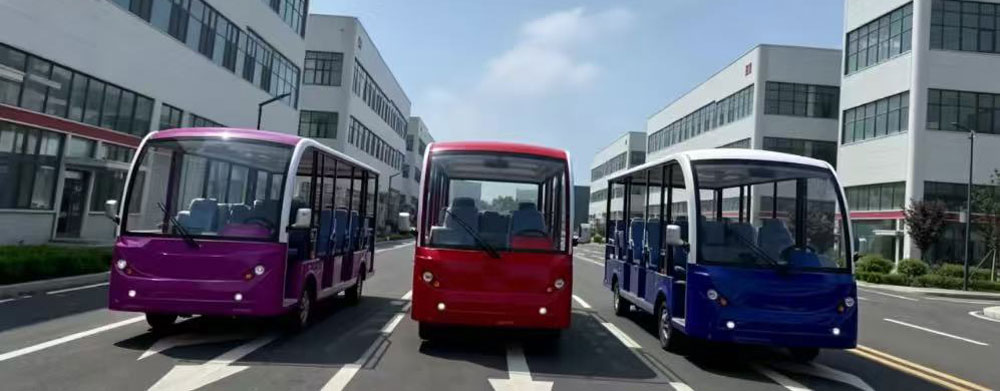
University campuses represent ideal environments for electric shuttle deployment, with well-defined road networks, lower speed limits, and high pedestrian activity. Alabama A&M University in the United States operates six electric buses with dedicated charging stations, having transitioned its entire fleet in 2019. Beyond fuel savings, the buses operate near-silently while significantly reducing the institution’s carbon footprint. Nigeria is taking this model further—the government launched an electric shuttle program across 12 pilot campuses in November 2025, addressing student mobility challenges while promoting sustainable transport.
At Michigan State University, Level 4 autonomous electric minibuses have been successfully transporting students and faculty alongside cars, cyclists, and pedestrians, demonstrating that autonomous technology can integrate safely into bustling campus ecosystems.
3. Hotels, Resorts, and Airport Transfers
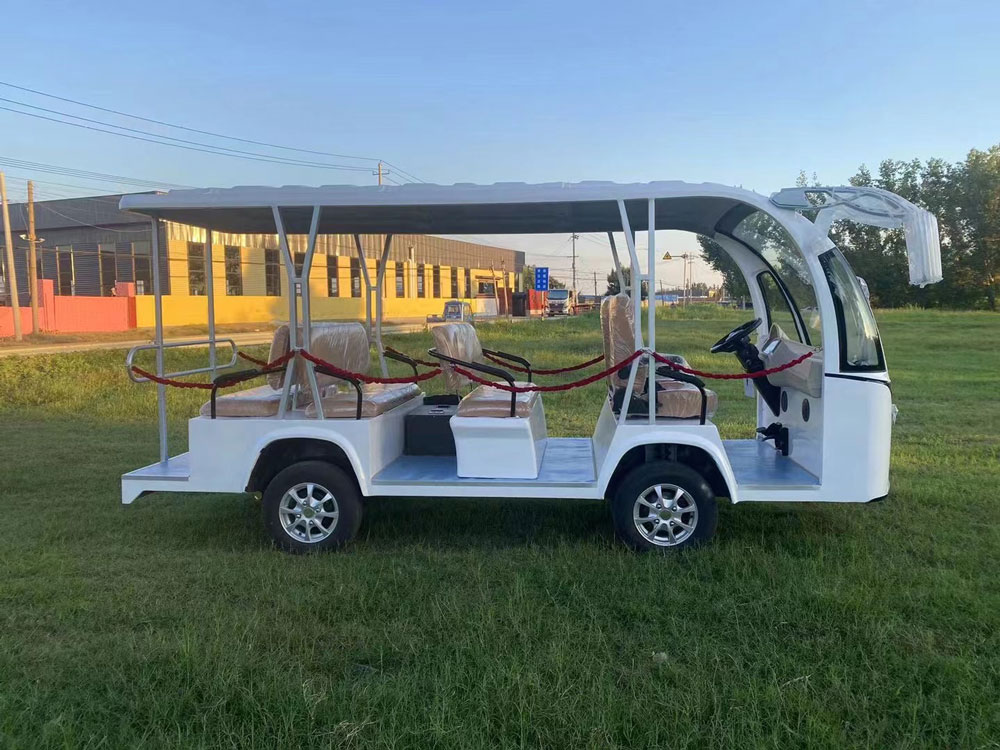
Resort complexes and airport transit hubs are among the most demanding operational environments for shuttle services, requiring 24/7 reliability and seamless passenger flow. Airports face particular challenges: moving passengers and staff between terminals, rental car centres, and parking lots is a logistical challenge, especially during off-peak hours when staffing is difficult. Autonomous electric minibuses offer continuous service day and night, eliminating the “wait anxiety” often associated with airport transfers.
Fiji’s Rosie Travel Group has set a benchmark in this segment, offering international visitors a luxury, zero-emission hotel transfer service. The company transports over 200,000 international visitors annually, and by switching to electric coaches, it is dramatically reducing its carbon footprint while enhancing the guest experience with quiet, smooth, and pollution-free travel.
4. Large-Scale Events and Urban Sightseeing
From major sporting events to city-wide tourism circuits, electric sightseeing buses are proving their versatility. Ankai’s pure electric double-decker buses were deployed in Paris for major sporting events in 2024, showcasing the brand’s new energy and high-end manufacturing capabilities to European audiences. On the open-top sightseeing front, Big Bus Tours introduced a battery-electric amphibious vehicle on a new land-and-water tour in London, extending zero-emission sightseeing to new dimensions.
The Value Proposition: Why Operators Are Switching
Zero Emissions, Zero Compromise
The most compelling argument for electric shuttles is environmental. Traditional diesel-powered tour vehicles emit significant amounts of CO₂, particulate matter, and noise. Electric shuttles produce zero tailpipe emissions and operate at near-silent levels, preserving the very landscapes and historical sites that tourists come to experience. Studies indicate that electric buses can reduce greenhouse gas emissions by 71 to 80 percent over their entire lifecycle compared to diesel alternatives.
Lower Total Cost of Ownership
While the initial purchase price of electric shuttles remains higher than diesel equivalents, the total cost of ownership tells a different story. Electric powertrains have fewer moving parts, eliminating oil changes, exhaust system repairs, and many transmission maintenance requirements. With fuel costs for electricity significantly lower than diesel per kilometre, and with labour costs—the largest portion of any transit operator’s budget—potentially reduced through autonomous driving technologies, the long-term financial case is increasingly clear. A comprehensive cost-benefit analysis conducted in Croatia confirmed that despite higher initial investments, electric buses offer significant lifecycle savings, particularly when factoring in the indirect costs of pollution and environmental impact.
Enhanced Passenger Experience
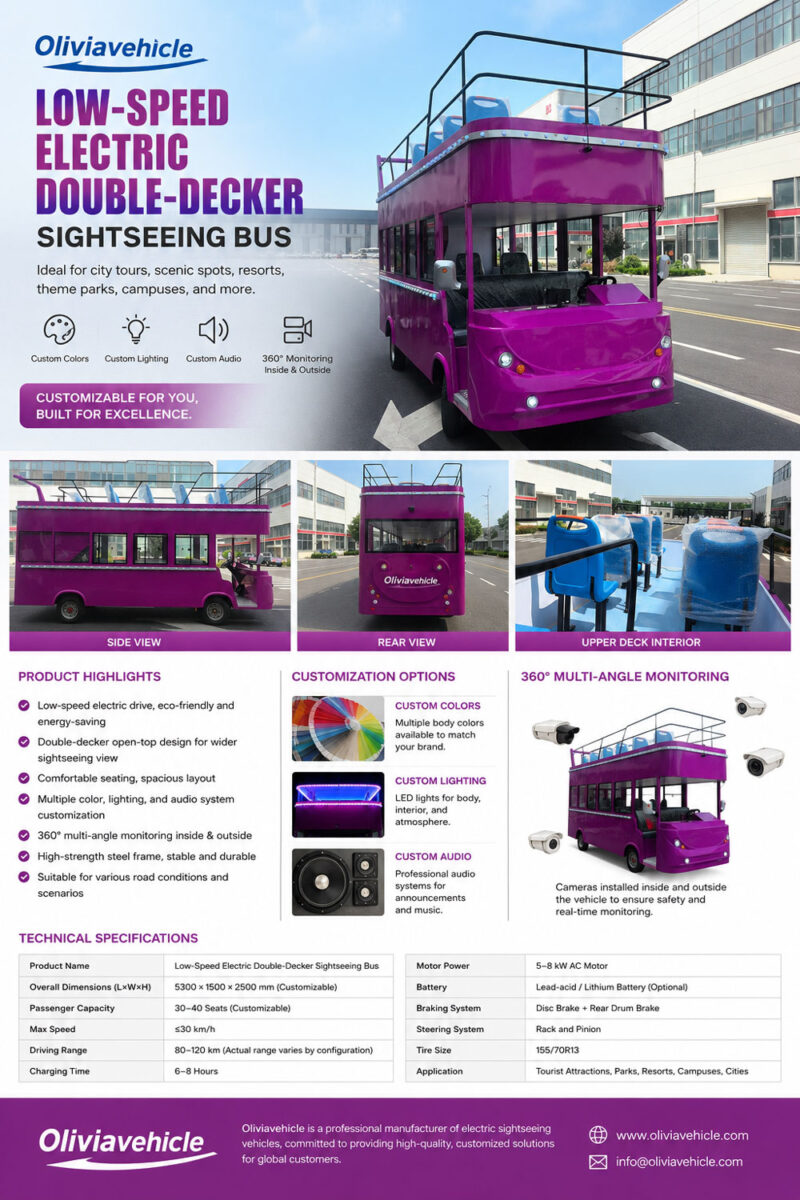
Tourists are increasingly seeking sustainable travel options. Electric shuttles deliver a superior passenger experience: quiet operation allows guides to be heard clearly; the absence of exhaust fumes means windows can remain open for panoramic views; and smoother acceleration and braking reduce motion discomfort. Open-top electric double-decker buses with 360-degree view windows are now being deployed in cities like London, Hong Kong, and Paris, allowing tourists to enjoy pristine city vistas without the aroma and din of traditional diesel-powered buses.
Meeting Regulatory and ESG Goals
Across Europe, North America, and Asia, governments are tightening emissions regulations for tourist transport. Municipal transport authorities face the strategic challenge of replacing legacy diesel fleets with zero-emission alternatives while maintaining passenger comfort and route efficiency. Electric shuttles provide a clear pathway to compliance. The global electric double-decker sightseeing bus market alone was valued at USD 450 million in 2025 and is projected to reach USD 797 million by 2032, reflecting the industry’s accelerating shift toward electrification.
Autonomous Technology on the Horizon
The next frontier for low-speed electric shuttles is autonomous driving. Pilot projects worldwide are demonstrating the viability of Level 4 autonomous shuttles in controlled environments. In Madrid, an autonomous electric shuttle designed for short “last-mile” distances operated on a 1.8-kilometre route through Casa de Campo, carrying approximately twelve passengers and demonstrating how autonomous vehicles can complement existing mobility services in parks and tourist areas.
In Canada, the Aurrigo Auto-Shuttle Mk2—an eight-seater, winter-ready, Level 4 electric autonomous vehicle—launched in Ottawa’s Kanata North Technology Park. Operating along a 4.5-kilometre route with eight designated stops, it links businesses, community spaces, and transit connections, demonstrating safe, reliable, and inclusive transport in all seasons. These autonomous shuttles offer particular value for airport transfers, campus circulation, and resort loops—applications where fixed, repetitive routes make automation highly cost-effective.
Why International Buyers Are Turning to China
For overseas tour operators, resort managers, and transit authorities seeking high-quality electric shuttle solutions, Chinese manufacturers have emerged as global leaders. Chinese exports of new energy buses have surged dramatically—in the first quarter of 2025 alone, King Long saw export revenue increase by 127.9 percent year-on-year, with unit sales growing 95.4 percent. The company has now exported over 140,000 buses to nearly 150 countries and regions worldwide.
Manufacturers like Zhongtong have tailored their products to international markets, implementing a “one country, one strategy” approach: for Singapore, they developed narrow-body turning vehicles suited to humid climates and tight road conditions; for African markets, they reinforced underbody structures for challenging road conditions; and for Europe, Zhongtong became the first Chinese bus brand to obtain WVTA whole-vehicle type approval. With 80,000 Zhongtong new energy buses now operating globally, Chinese manufacturers bring not just competitive pricing but proven reliability and customised engineering to meet diverse international requirements.
Looking Ahead
The integration of advanced battery technology, solar charging infrastructure, and autonomous driving capabilities will continue to expand the addressable market for electric shuttles. As visitor numbers to global tourist destinations grow and carbon reduction targets tighten, low-speed electric shuttles will no longer be a niche solution—they will be the standard. From the museums of Paris to the campuses of Nigeria, from the resorts of Fiji to the historic districts of Chiang Mai, the green, quiet, and efficient electric shuttle is powering the future of last-mile mobility.