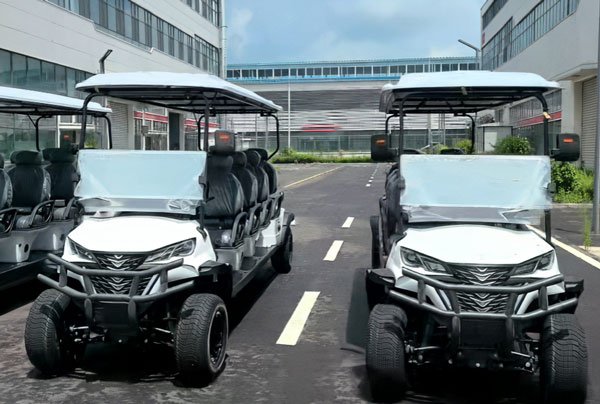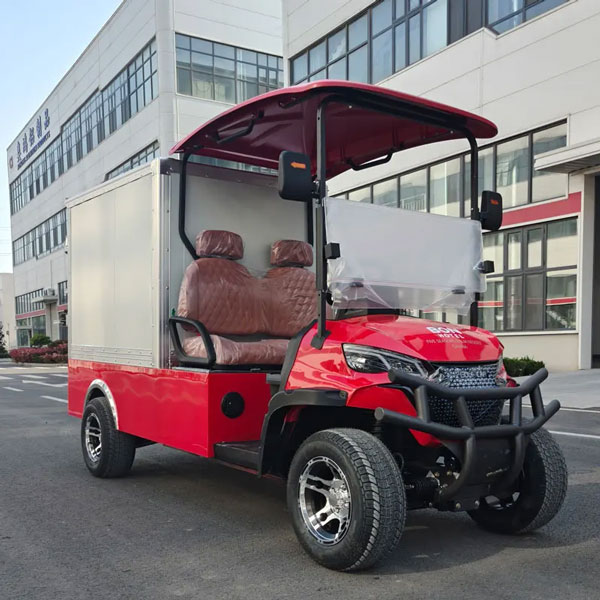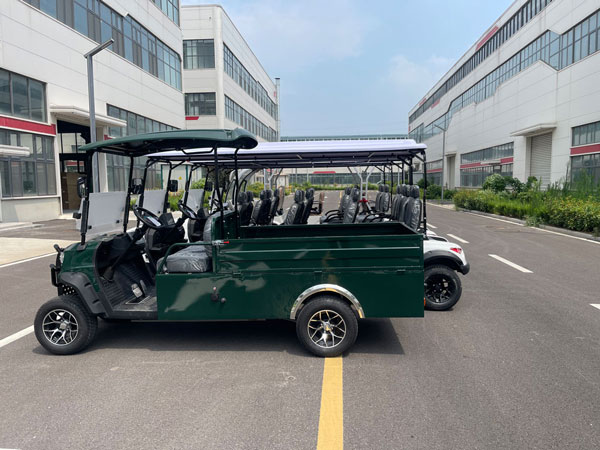
As environmental awareness grows and the leisure tourism industry flourishes, low-speed electric leisure vehicles have become a signature green sight in scenic areas, campuses, communities, and large industrial parks—thanks to their zero emissions, low noise, and easy operation. As a professional manufacturer with years of industry expertise, we have compiled the following practical recommendations to help you choose and maintain your vehicle with confidence

Part I: Selection – Tailor to Needs, Prioritize Quality
1. Define Your Application and Choose the Right Model
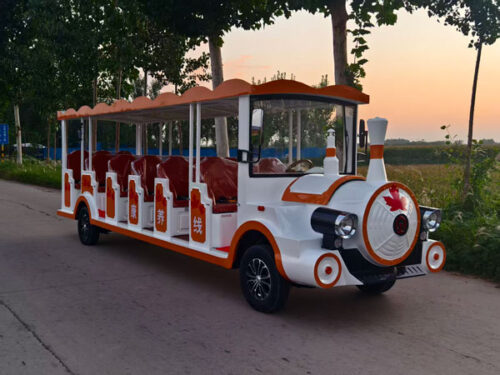
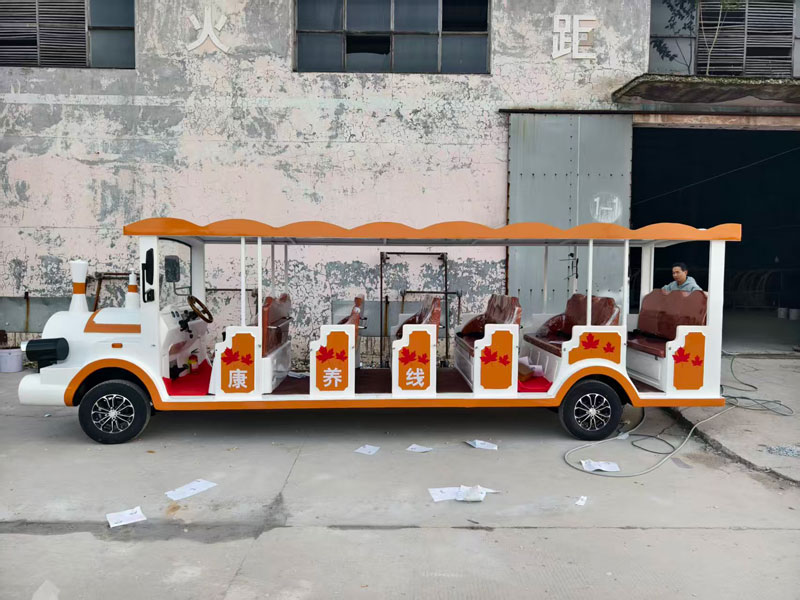
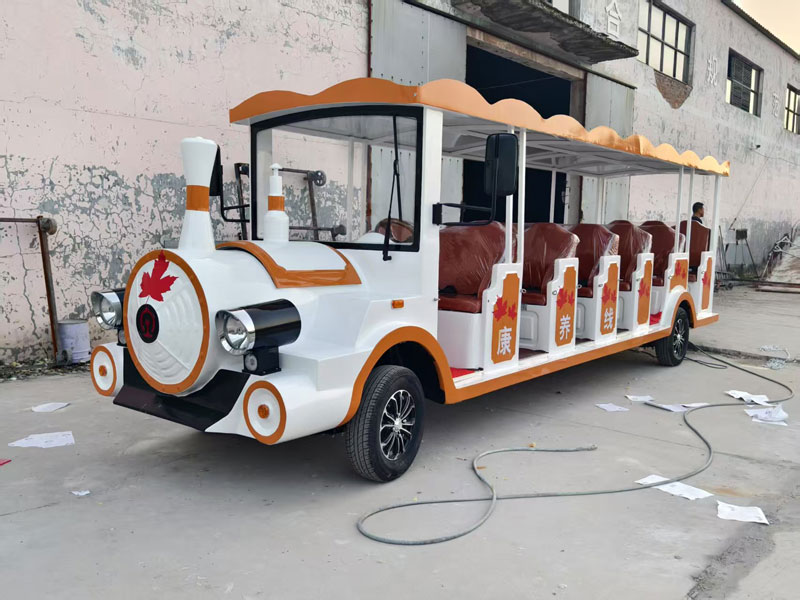
Scenic sightseeing: For large scenic spots or parks, we recommend models with extended range (typically over 80 km) and higher passenger capacity (e.g., 14‑ or 23‑seater open‑air vehicles), allowing visitors to fully enjoy the surrounding views.
Campus / park commuting: In enclosed environments such as factories, schools, or residential communities, select 8‑ or 11‑seat models based on daily ridership. For enhanced comfort, consider air‑conditioned enclosed versions that cope well with varying weather.
Special needs: For senior communities or wellness centres, prioritise safety‑ and convenience‑oriented designs—e.g., lower step‑in height, wider interiors, anti‑slip flooring, and ergonomic seating.
2. Focus on Core Components to Ensure Safety and Reliability
Battery and range: The battery is the “heart” of the vehicle. Current mainstream options are lead‑acid and lithium batteries. Lead‑acid is cost‑effective and mature, but heavier with shorter range; lithium is lighter, longer‑lasting, and more durable, though at a higher initial cost. Choose based on your budget and usage frequency, and always verify real‑world range to avoid “range anxiety.”
Motor and controller: High‑quality motor and electronic control systems are key to smooth power delivery and stable handling. We recommend vehicles equipped with components from well‑known brands to ensure quiet, reliable operation with fewer failures.
Safety features: Safety is non‑negotiable. Check for essential equipment: hydraulic braking, front/rear drum or disc brakes, parking brake, seat belts, front/rear impact‑resistant bumpers, warning lights, and turn signals. For faster models, power‑assisted braking and steering greatly improve driving safety and comfort.
3. Evaluate Manufacturer Strength and After‑Sales Support
Choose a reputable manufacturer with scalable production capacity, advanced processes, and a robust quality control system—this ensures product consistency and dependability.
Investigate the after‑sales network, spare parts availability, and technical service capability. A comprehensive and responsive service system is vital for long‑term, worry‑free ownership.
Part II: Operation and Maintenance – Drive Properly, Maintain Diligently
- Safe Driving and Strict Compliance
Driver qualifications: Drivers must be in good health with no conditions impairing driving ability. We strongly recommend completing training provided by the manufacturer or a professional institution to fully understand vehicle performance, operating procedures, and safety rules before driving.
Pre‑trip inspection: Before each use, check tyre pressure, brake responsiveness, lighting, steering wheel flexibility, and battery charge to confirm the vehicle is in sound condition.
Smooth driving: Always obey traffic rules and on‑site speed limits. Maintain a safe speed; never exceed limits. Watch for pedestrians and obstacles, and slow down in advance. Accelerate, turn, and stop gently—avoid abrupt starts, hard braking, or sharp turns.
Passenger capacity: Strictly adhere to the rated passenger number; no overloading. Passengers should board and alight only when the vehicle is fully stopped, remain seated with handholds, and keep all body parts inside the vehicle while moving.
2. Routine Maintenance to Extend Service Life
Battery care:
Recharge promptly after use; never leave the battery deeply discharged for extended periods. For long‑term storage, charge fully and top up every 1‑2 months.
Always use the original charger provided by the manufacturer. Charge in a well‑ventilated, dry area away from fire and heat sources. Monitor the charger and battery during charging; stop immediately if any abnormality occurs.
Unplug the charger once fully charged to prevent overcharging. Also, avoid running the battery down to empty before recharging, as this shortens cycle life.
Cleaning: Regularly clean the body and interior with a soft damp cloth and mild detergent. Never use a high‑pressure water jet directly on electrical components or the battery area.
Periodic inspection and lubrication: Follow the maintenance schedule in the user manual to check and service the braking, steering, suspension, and wheel bearing systems. Add or replace lubricants and greases in a timely manner to ensure smooth mechanical operation.
Storage: When parking for long periods, choose a raised, dry, well‑ventilated, and sun‑sheltered location. Cover the vehicle with a protective cover to guard against dust, rain, and UV damage.
Part III: Outlook – Green Mobility, Smart Future
Low‑speed electric leisure vehicles not only facilitate daily transport and sightseeing but also serve as a tangible commitment to low‑carbon, sustainable development. Looking ahead, the industry is set to become more intelligent, comfortable, and personalised—autonomous driving technologies will further enhance safety and convenience; connected‑vehicle platforms will enable real‑time monitoring, smart dispatching, and efficient fleet management; and greener, high‑energy‑density battery innovations will continuously empower new models.
In summary, choosing the right low‑speed electric leisure vehicle and adhering to proper operation and diligent maintenance will significantly improve your operational efficiency and travel experience, while demonstrating your support for eco‑friendly lifestyles. We hope these suggestions prove helpful, and we invite you to enjoy every delightful journey with your low‑speed electric leisure vehicle!